
What Happens To My Rental Property’s Landlord Insurance If It Sits Empty?
Will My Louisiana Landlord Insurance Deny a Hurricane Claim if My Rental Property Sits Empty for 30 Days?
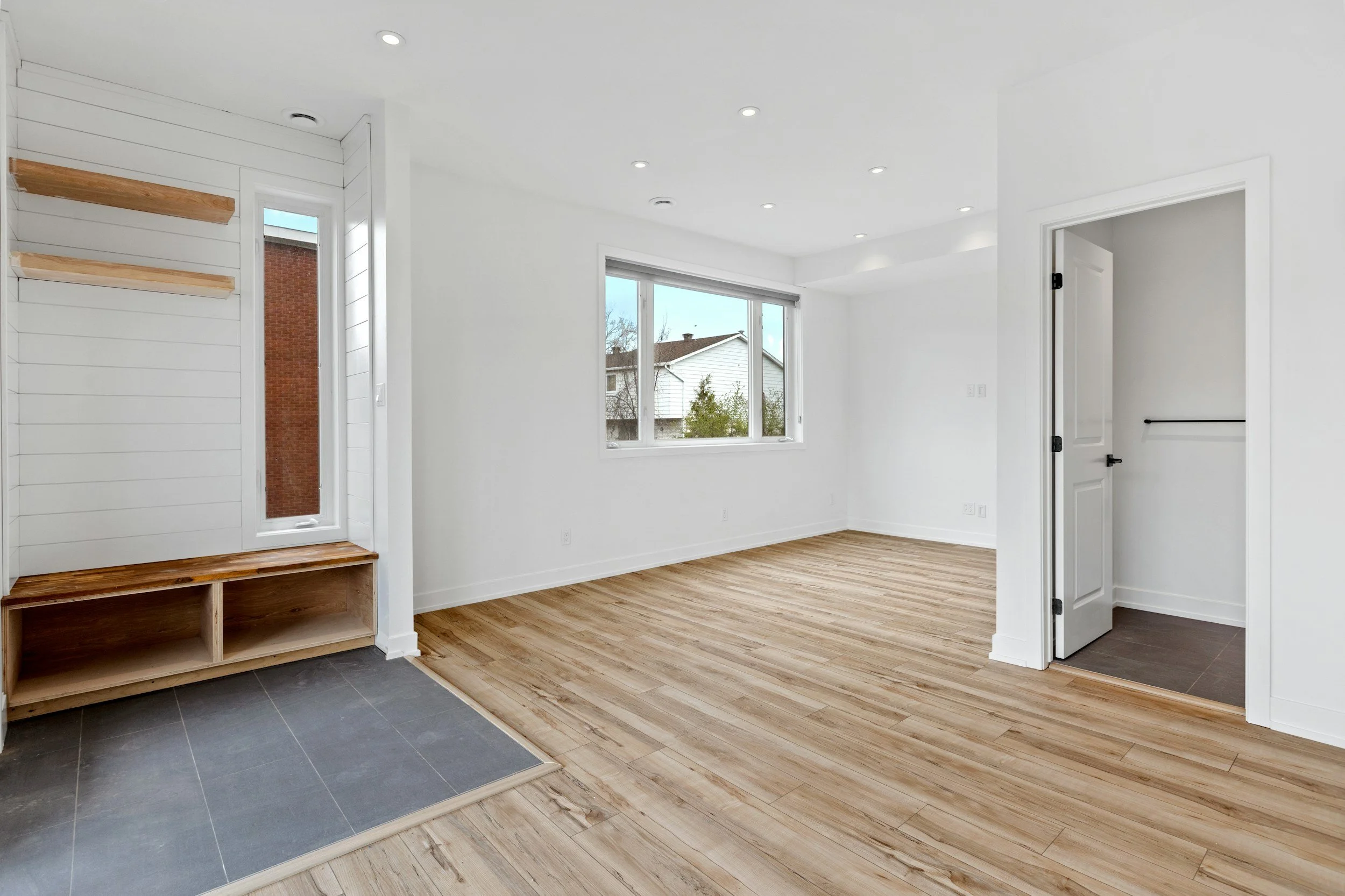
August in Louisiana is peak hurricane season. For a real estate investor, it is also a common time for tenant turnover. Whether you are painting the interior, upgrading the flooring, or simply vetting the right long-term renter, your property might sit entirely empty for a month or two.
Most landlords assume that as long as their DP3 (landlord property) premium is paid, the physical structure is fully protected from named storms regardless of who is sleeping inside.
This is a highly expensive misconception. Insurance contracts contain strict timelines regarding occupancy, and allowing a rental to sit empty while tropical waves form in the Gulf can completely void your coverage when you need it most.
The Standard DP3 Vacancy Clause
A DP3 policy is an open-peril contract designed specifically for non-owner-occupied properties. However, nearly every DP3 policy contains a strict "Vacancy Clause."
This clause explicitly states that if a property remains vacant for a consecutive period—typically 30 to 60 days, depending on your specific Louisiana carrier—the insurance company automatically suspends coverage for specific perils. Standard suspended perils routinely include vandalism, malicious mischief, theft, and glass breakage. Furthermore, because no one is present to mitigate damage, carriers heavily scrutinize water damage claims that occur during a vacancy period.
It is critical to understand the legal difference between "unoccupied" and "vacant." A fully furnished short-term rental that simply lacks a booking this week is merely unoccupied. A completely empty unit with no furniture undergoing a six-week renovation between long-term tenants is definitively vacant. The difference dictates whether your claim gets paid.
The Underwriting Reality: Vacancy Equals Neglect
Our independent insurance agents reviewing DP3 policies for property investors across Louisiana are constantly having to translate contract language into financial reality: insurers equate vacancy with neglect.
When a property is empty, small issues become catastrophic losses. A minor roof leak that a tenant would normally report immediately instead destroys the ceiling and drywall over three weeks.
If you are doing a six-week renovation between tenants in August, you are operating entirely without a safety net. Let's say a Category 2 storm rolls through. The wind blows out the front windows, and driving rain destroys the brand-new flooring and drywall you just installed. Because standard vacancy clauses explicitly suspend coverage for glass breakage—and because there was no tenant present to board up the windows or mitigate the ensuing water intrusion—the insurance company has the contractual leverage to deny the damage.
Skipping proper notification or failing to secure the right policy structure gives the carrier the legal right to deny a $30,000 claim if those windows blow out.
The Solution: Navigating Extended Vacancy & Renovations
If a rental property is going to sit empty, it is critical that you notify your insurance agent immediately. A common trap for landlords is assuming they can simply add a quick "vacancy endorsement" to their existing policy.
In reality, most Louisiana insurance carriers do not offer a vacancy endorsement. Once a home has been vacant for more than 60 consecutive days, standard homeowners and landlord policies significantly reduce or limit coverage options.
Depending on what is happening at the property, you must place the risk in the correct policy structure:
Vacant Home Policy: If the property will be sitting empty for an extended period between tenants or while listed on the market, you should purchase a dedicated, standalone Vacant Home Policy. This specialized coverage is designed specifically for uninhibited properties, ensuring you don't face coverage suspensions during a storm or vandalism event.
Builder’s Risk Policy: If the home is vacant because it is undergoing significant remodeling, structural updates, or major renovations, a Builder’s Risk Policy is the proper option. This policy protects the existing structure, the materials stored on-site, and the ongoing construction work that standard landlord policies explicitly exclude.
Protect Your Real Estate Portfolio
Do not wait until a named storm enters the Gulf to realize your empty rental property is completely uninsured. Most insurance carriers place binding moratoriums across Louisiana the exact moment a storm is named, making it impossible to add a vacancy endorsement when you suddenly need it most.
Contact our trusted agents at TWFG Landeche Insurance—We work for you, not the insurance companies so you're never limited to just one option. We compare multiple top-rated carriers to find the coverage that best fits your needs and budget.

Hi, I’m Ronnie — founder of Landeche Insurance. I’m a lifelong Louisiana resident who believes insurance should be honest, local & easy to understand.

Protecting Louisiana families & property for 20+ years. Experts in homeowners, flood, auto, landlord, life & classic car insurance (& more) — with clear advice & coverage that fits you. Based in Louisiana. Real help from real people. 👉 Call 504-228-7184.

Get a flood insurance quote.

Get a homeowner’s insurance quote.

Get a life insurance quote.

