
When to Choose 'Hurricane' vs ‘Named Storm' vs ‘Wind’ Deductible to Protect Your Louisiana Home
Should I choose a 'Hurricane,' 'Wind,' deductible or a 'Named Storm' deductible to protect my Louisiana home?
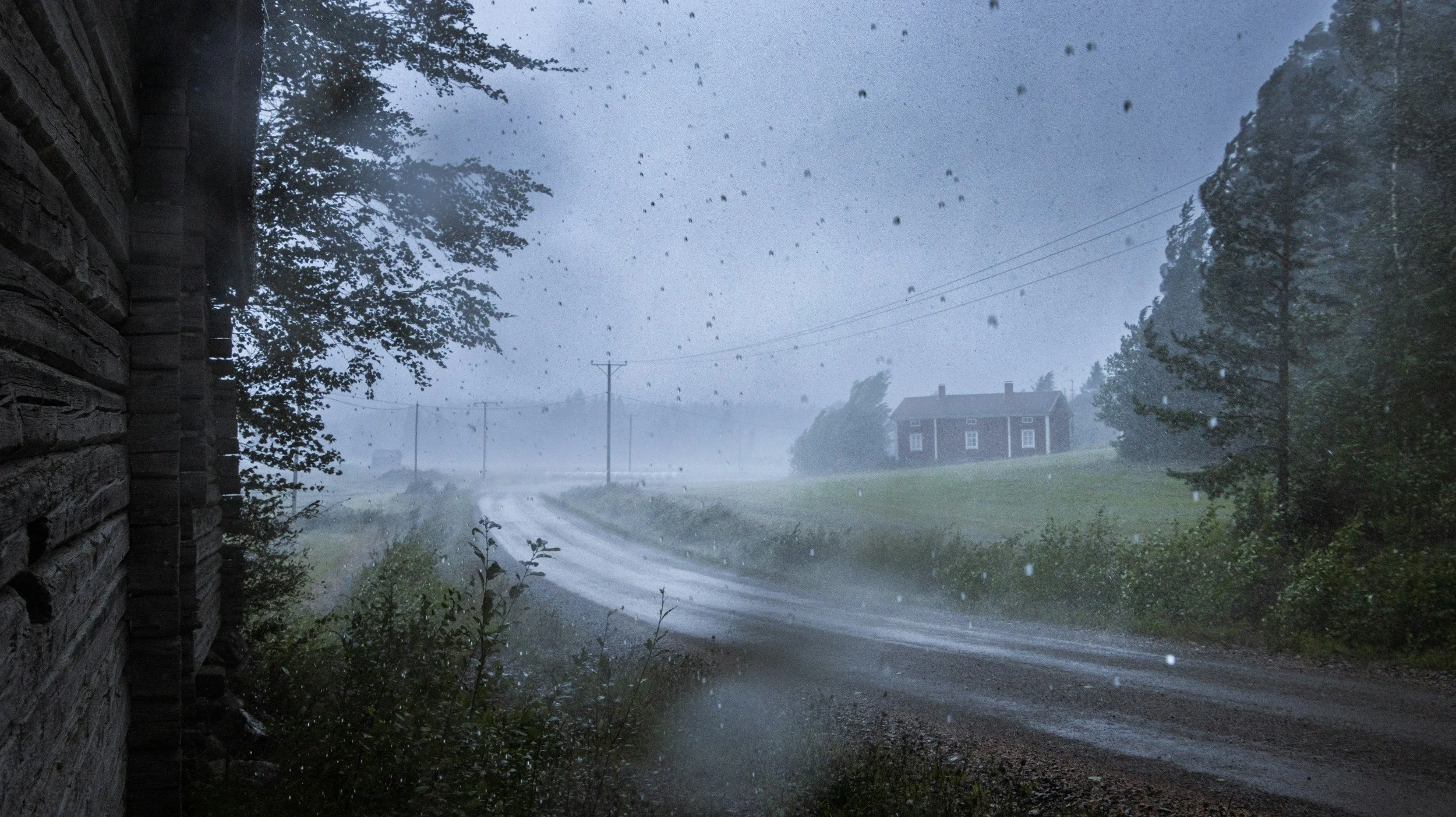
When reviewing a 2026 Louisiana homeowners insurance renewal, the premium is usually the first number that catches your eye. But right below that premium is a percentage that dictates your actual financial survival after a storm: your deductible.
Insurance carriers in Louisiana offer distinctly different types of weather deductibles to offset their coastal risk. Depending on your carrier, your declarations page will list either a "Hurricane" deductible, a "Named Storm" deductible, or a "Wind/Hail" deductible. They sound nearly identical to the average homeowner, and all typically range from 2% to 5% of your total Dwelling Coverage.
However, the difference between those phrases dictates exactly when your massive out-of-pocket cash requirement kicks in. Choosing the wrong one—or not realizing which one your carrier defaulted you to—can cost you thousands of dollars when a storm hits the state.
The Meteorological Triggers of a Named Storm vs a Hurricane Explained
Insurance contracts rely on strict, literal definitions. A deductible is not triggered by how much rain falls in your yard or how loud the wind blows; it is triggered by the exact terminology and cause of loss outlined in your policy.
The Hurricane Deductible: This is the narrowest and most consumer-friendly of the definitions. A Hurricane deductible is only activated if the storm system damaging your property is officially classified by the National Hurricane Center (NHC) as a Hurricane (sustained winds of 74 mph or higher) at the time of landfall or during the specific damage window outlined in your policy.
The Named Storm Deductible: This is a broader net. A Named Storm deductible triggers the moment the NHC assigns a human name to the weather system. It applies to hurricanes, but it also applies to Tropical Storms and Subtropical Storms. If it has a name, your high-percentage deductible is in effect, regardless of the wind speed.
The Wind/Hail Deductible: This is the broadest and most restrictive net a carrier can cast. A Wind deductible applies to any wind-related claim, completely independent of the National Hurricane Center. Whether the damage is caused by a Category 4 hurricane, a severe spring thunderstorm, or a random afternoon gust that knocks a tree onto your roof, your high-percentage deductible is automatically activated..
Evaluating the "Versus": The Out-of-Pocket Cash Risk
From a risk management perspective, a hurricane deductible is generally the best option for a homeowner. By restricting the high percentage deductible strictly to full-scale hurricanes, it preserves your standard "All Other Perils" (AOP) safety net—which is usually a manageable, flat $1,000 or $2,500—for everything else.
If you cannot secure a true hurricane deductible, the next best option is a named storm deductible. While a named storm trigger is broader than a hurricane trigger, it still protects you from paying a massive percentage out-of-pocket for standard, unnamed severe weather.
The primary financial danger lies in accepting a wind deductible.
Imagine your home’s true replacement cost is $400,000, and your policy carries a 5% weather deductible. A severe but unnamed spring thunderstorm moves through your parish, ripping shingles off your roof and causing $15,000 in wind damage.
If you have a Hurricane or Named Storm deductible, this event triggers your standard AOP deductible. You pay your flat $1,000, and the carrier covers the remaining $14,000.
If your policy features a Wind deductible, you are fully responsible for the higher deductible for all wind events. Your 5% deductible is calculated against your $400,000 dwelling limit, forcing you to pay the entire $15,000 repair bill completely out of pocket.
While the annual premium is usually higher when you opt for a true hurricane or named storm deductible, paying that slightly higher premium upfront can save you thousands of dollars out of pocket if you experience a non-hurricane wind loss.
The Premium Illusion: Breaking Down the Math
Carriers heavily prefer Wind or Named Storm deductibles because it shifts a massive portion of the coastal weather risk back onto the homeowner. In the current Louisiana market, some carriers will only offer quotes with a Wind trigger, using a lower upfront premium to make the offer look incredibly attractive.
It is a mathematical illusion. Saving $400 a year on your premium is completely irrelevant if it exposes you to an additional $15,000 or $20,000 cash requirement during a routine, unnamed severe thunderstorm.
Evaluating Your 2026 Homeowners Policy Options
Do not wait until a tropical wave enters the Gulf or a severe weather front moves through to find out which trigger is buried in your declarations page. By the time a storm is named, carriers place a binding moratorium on the entire state, legally locking your policy and preventing you from altering your coverage limits or buying down your deductible.
Contact TWFG Landeche Insurance—We can review your current coverage, identify your exact deductible triggers, and shop for the best rates in the market to ensure your home is protected by a contract that works in your favor when the weather turns.

Hi, I’m Ronnie — founder of Landeche Insurance. I’m a lifelong Louisiana resident who believes insurance should be honest, local & easy to understand.

Protecting Louisiana families & property for 20+ years. Experts in homeowners, flood, auto, landlord, life & classic car insurance (& more) — with clear advice & coverage that fits you. Based in Louisiana. Real help from real people. 👉 Call 504-228-7184.

Get a flood insurance quote.

Get a homeowner’s insurance quote.

Get a life insurance quote.

